
HURT LESS, MOVE BETTER, AND GET BACK TO WHAT YOU LOVE.
Still hurting — even after therapy, exercises, treatments, or focusing on the painful area?
The place that hurts may not be the only place your body needs attention.
If you’re dealing with sciatica, back pain, hip pain, knee pain, shoulder pain, stiffness, or recurring flare-ups, the problem may not be only where you feel it.
Full Motion Balance™ helps you find movement imbalances that may be feeding your symptoms — so you can hurt less, move better, and feel more confident caring for yourself.
Watch the short intro below, then start the free 15-minute intro lesson to experience the process for yourself.
WATCH THIS FIRST — 1:48
See why Full Motion Balance looks beyond the painful area and approaches the body as a connected whole.
Free Access • Takes about 15 minutes
Real Client Results
Hear directly from clients Joey personally coached as they describe the changes they experienced - in their own words
Barbara's Story
Gwen's Story
Catalina's Story
Ruth's Story
John's Story
Mary's Story
What Clients Experienced With Joey’s Coaching
Based on internal outcome tracking across approximately 1,200 clients Joey coached through Sciatica Relief Now. Individual results vary.
Average Improvement
by Week 4
Reported Improvement Range by week 8
Favorable
Outcomes
Understanding Why You Hurt — and What to Do About It
If you’ve tried many things and still feel stuck, it doesn’t mean your body is broken.
Often, the underlying imbalance or protective pattern simply hasn’t been identified yet.
Full Motion Balance helps you find what your body is showing you — then follow a clear process to move better, hurt less, and feel more like yourself again.
LEARN WHAT MAY BE FEEDING YOUR PAIN
Injuries, stress, daily habits, and overcompensation can create patterns that contribute to pain, stiffness, and restricted movement.
You’ll learn how to identify and begin rebalancing them with simple, comfortable movements — without forcing your body.
FOLLOW A CLEAR STEP-BY-STEP METHOD
Structured assessments, guided lessons, and simple rebalancing movements show you what to do next.
Each step builds on the last, helping you improve movement and confidence without guessing.
START NOTICING MEANINGFUL CHANGE
As your body responds, movement may feel easier, tension may decrease, and everyday activities can become more comfortable.
The goal is to help you move better, hurt less, and feel more confident caring for your body.

Free Access • Takes about 15 minutes
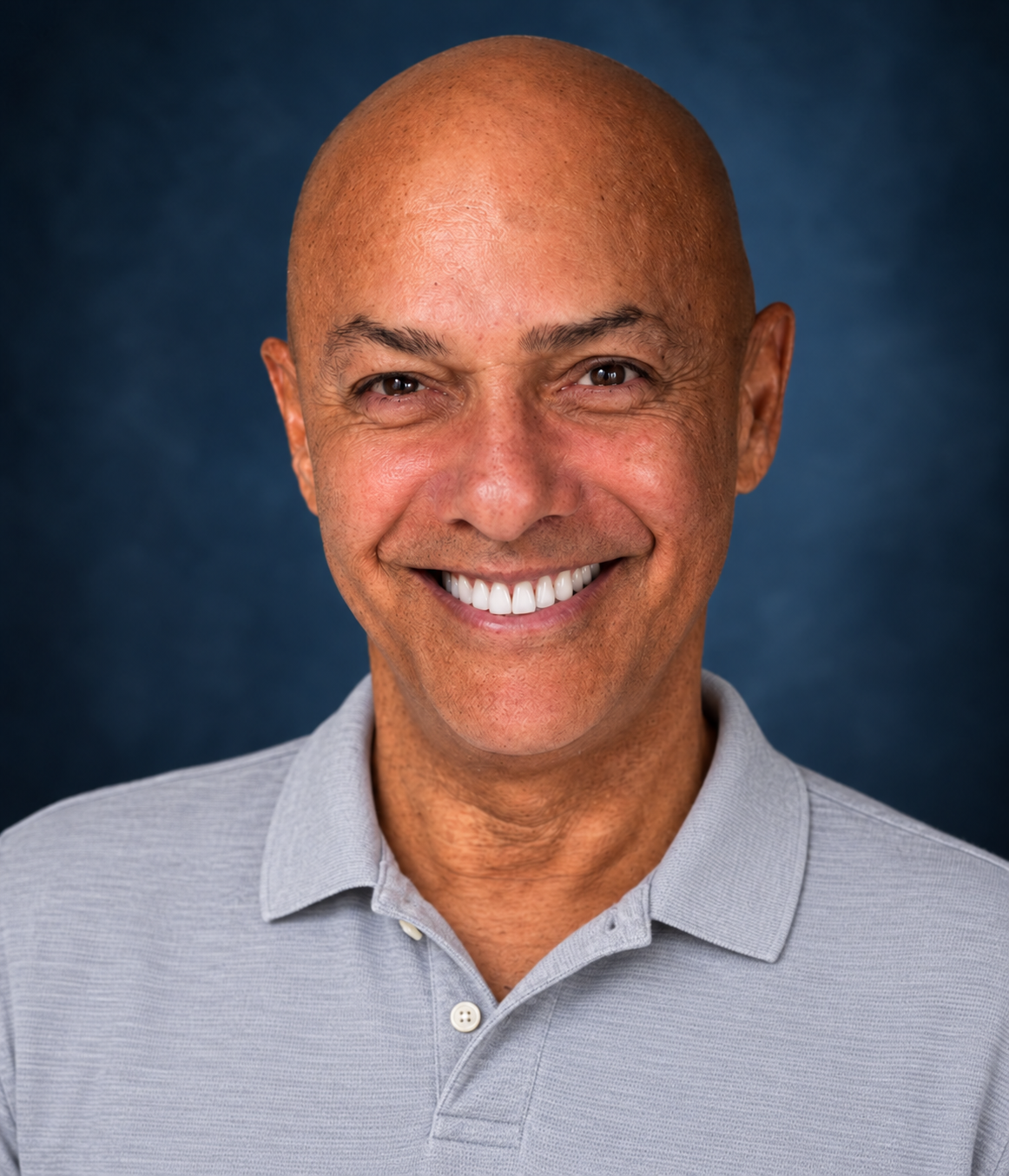
A Personal Note From Coach Joey
If you’ve been dealing with pain for a long time, I know how frustrating it can be to keep trying things—only to experience temporary relief.
Through coaching more than 1,200 people, I’ve seen how often the painful area isn’t the whole story. When underlying movement patterns begin to change, movement may feel easier and confidence can return.
That’s why I created Full Motion Balance: to give you a clear process for discovering what your body responds to—and what to do next.
A System You Can Use Whenever Your Body Feels Off
Full Motion Balance gives you a clear process you can return to whenever pain, stiffness, or restricted movement shows up.
Access the program from your phone, tablet, or computer. Work through it at your own pace—and return whenever your body needs support.
You’ll learn how to:
- Compare sides and identify possible imbalances
- Use simple, comfortable movements to help your body rebalance
- Help your body settle when symptoms flare up
- Retest and notice how your body responds
- Maintain better movement and confidence over time
The goal is to help you rely less on trial and error because you know what to check, what to do, and how to respond when something feels off.
Start With the Free Intro Lesson
Before choosing a program option, take about 15 minutes to experience the Full Motion Balance process for yourself.
In the free lesson, you’ll test a simple movement, use a gentle rebalancing step, and retest to notice how your body responds.
This is not a workout or stretching routine. It’s a low-pressure way to experience the same process used inside the full program before deciding what feels right for you.
Which Option Is Right for You?
Every option uses the same Full Motion Balance process. Choose the level of guidance, structure, and personal support that fits you best.
Guided Group Coaching
Guided Group Coaching gives you the complete Full Motion Balance program with added structure, support, and accountability. You’ll get course access right away, then move through the process with weekly live coaching, clear implementation steps, and support between calls.
This is the best fit if you want direct guidance along the way, but don’t need full private 1:1 coaching.
Think Guided Group Coaching May Be Right for You?
Book a free Clarity Call to discuss what you’re experiencing, the guidance you need, and whether the group format is the right next step.
1:1 Coaching Partnership
The 1:1 Coaching Partnership is the highest-support option in Full Motion Balance. It includes the full program plus direct one-on-one coaching, personalized feedback, and responsive guidance based on what you notice as you work through the process.
This is designed for people with long-standing, complex, persistent, or sensitive issues who want the highest level of individualized support and guidance.
Our 1:1 Coaching Partnership Commitment
Because the 1:1 Coaching Partnership includes direct guidance and support, we’ll work together and make adjustments based on how your body responds.
To qualify for the Improvement Review Guarantee, follow the guidance provided, complete the first six weeks, and attend your first six scheduled coaching sessions.
If you haven’t experienced meaningful improvement, contact us within seven days of your sixth session. We’ll review your participation and progress together and, if you qualify, make every reasonable effort to make things right—including a refund under the 1:1 Coaching Agreement.
Self-Guided Foundations
Self-Guided Foundations gives you the complete Full Motion Balance curriculum in a self-paced format.
You’ll get immediate access to all core lessons so you can learn the movement checks and the Test → Rebalance → Retest process at your own pace.
This is the best fit if you’re making progress, can identify your LML side, understand what changes when you retest, and feel comfortable learning without regular human feedback.
Personalized movement assessment and individual interpretation of your results are not included.
Free Access • Takes about 15 minutes
Choose the Support That Fits You Best
$597
SELF-GUIDED FOUNDATIONS
THE COMPLETE SELF-PACED CURRICULUM
This is for the person thinking:
“I’m comfortable learning independently and can apply the process without regular feedback.”
$
1497
THE BEST FIT FOR MOST PEOPLE
Guided Group Coaching
The full program with structure and live support
This is for the person thinking:
“I want support, structure, and accountability, but I don’t need private coaching.”
$2997
1:1 coaching partnership
Personalized support for complex and long-standing issues
This is for the person thinking:
“I want closer one-on-one guidance for a more stubborn or complex situation.”
$
47
regular
One sentence summary of what they get
$
87
Advanced
One sentence summary of what they get
$
127
Premium
One sentence summary of what they get
Please review our Program Policies & Refunds before enrolling. Refund terms vary by program option. View Program Policies & Refunds
faq
Many clients begin noticing meaningful changes within the first few weeks. Some notice changes sooner, especially when they clearly identify the right imbalance and apply the process consistently. Progress can look like less intensity, fewer flare-ups, easier movement, or more confidence in your body.
No. The program uses simple movements you can do from home. You do not need special equipment, strenuous workouts, or a gym.
That’s common. Many people come to Full Motion Balance after trying different approaches and only getting temporary relief.
That doesn’t mean those approaches were wrong, and it doesn’t mean your body is broken.
It may simply mean the underlying imbalance or protective pattern feeding the problem has not been clearly identified yet.
Full Motion Balance gives you a way to test your body, identify what it responds to, and begin working with those patterns more directly — without forcing movement or pushing into pain.
Long-standing or complex issues often need more guidance because the body may have built protective patterns over time. You can still start with the Free Intro Lesson, but if your situation feels layered, sensitive, or stubborn, Guided Group Coaching or the 1:1 Coaching Partnership may be a better fit.
Start with the Free Intro Lesson. It gives you a chance to experience the process in your own body before choosing your next step. If you’re still unsure, use Joey AI to ask questions or request a strategy call so we can help you choose the level of support that fits you best.
No. Full Motion Balance does not accept insurance and does not bill insurance.
This is an online education and coaching program, so payment is made directly through the website.
To make the program more accessible, interest-free payment options may be available at checkout.
If you have an HSA or FSA card, you may try using it at checkout. Our payment system is set up to receive HSA payments when the card and account allow it.
However, HSA and FSA rules vary by plan, and each client is responsible for confirming whether their purchase qualifies under their own account rules.
We cannot guarantee HSA/FSA eligibility or reimbursement.
If your HSA or FSA card is declined, you can use another payment method or choose one of the available interest-free payment options.

Copyright 2026 all rights reserved.